

Contents
Key Takeaways
- MIL-PRF-32432A is a military ballistic standard built for extreme high-speed fragmentation.
- ANSI Z87.1-2025 is the standard most workplaces use for impact-rated safety glasses.
- Z87 protects against common jobsite hazards like wood chips, metal particles, and flying debris.
- MIL-PRF-32432A eyewear is designed for situations where fragments can move at extremely high speeds, including tactical training, shooting sports, demolition, and combat environments.
- ANSI Z87.1 suits most ranges or hunting activities; MIL-PRF-32432A is for higher-risk environments.
- Some premium safety glasses meet both standards for added protection.
- Use clear lenses when light is limited and tinted lenses for bright outdoor shooting, hunting, and training.
What Is MIL-PRF-32432A?
MIL-SPEC stands for military specification, a set of performance standards created by the US military to make sure equipment survives extreme and often unpredictable conditions.
Unlike civilian safety standards that focus on everyday workplace risks, MIL-SPEC is built around combat realism. That means the gear isn’t just tested for accidents, it’s tested for violent, high-speed, high-energy events where failure is not an option.
For eyewear, the key standard is MIL-PRF-32432A, which defines how ballistic-rated glasses and goggles must perform when exposed to fragmentation-level impacts.
This is why MIL-SPEC safety glasses are often referred to as ballistic glasses. They are designed to protect against extremely fast-moving debris that can occur in combat, training environments, or high-risk tactical situations.
What Happens In MIL-PRF-32432A Testing?
MIL-PRF-32432A testing is built around a completely different type of impact than ANSI Z87. Instead of a large object moving at moderate speed, the lens is struck with a very small .15 caliber projectile traveling at roughly 700–725 feet per second. At this speed and size, the projectile behaves less like a blunt object and more like a high-energy fragment capable of penetration.
Goggles are less commonly used in most tactical and range environments, but when they are used, they are tested under different MIL-PRF-32432A conditions with a .22 caliber projectile fired at approximately 550–590 feet per second, reflecting their higher-seal, full-coverage design.
These tests simulate scenarios where materials shatter violently into fast-moving pieces, such as:
- Metal fragmentation under explosive force
- High-speed mechanical failure
- Secondary debris from structural breakage
- Sudden material failure under extreme stress
This is why MIL-PRF-32432A is considered a ballistic fragmentation standard, even though it does not involve full bullets.
Why Does Projectile Size And Speed Matter So Much?
The key difference in MIL-PRF-32432A testing is the combination of extremely small size and extremely high velocity. A larger object (like the one used in ANSI Z87 testing) spreads force across a wider area and behaves like a blunt impact.
A .15 caliber projectile at 700+ feet per second behaves differently:
- It concentrates force into a very small point
- It increases penetration potential significantly
- It creates failure modes like cracking or piercing rather than simple impact stress
This changes the entire nature of the test. Instead of asking whether a lens can stop a hit, MIL-PRF-32432A asks whether it can survive a needle-like, high-speed fragment impact.

When Do You Need MIL-PRF-32432A Eyewear?
MIL-PRF-32432A eyewear is needed when the risk goes beyond normal workplace impact and shifts into high-speed fragmentation or ballistic-type hazards.
If you’re working in environments where impact is not just possible but high-energy and sudden, this standard becomes more relevant. That includes scenarios like shooting sports, tactical or military training, and situations involving explosive forces or extreme mechanical failure where fragments can travel at very high velocity.
For most general work environments, ANSI Z87 eyewear is typically enough because it’s designed around common industrial hazards. These are lower-speed, more predictable impacts compared to ballistic fragmentation events, where the focus is on ensuring the lens doesn’t crack, shatter, or detach when struck by larger, slower-moving objects.
MIL-PRF-32432A comes into play when you need protection against worst-case, high-velocity scenarios, not everyday jobsite risks.
Is MIL-PRF-32432A Stronger Than ANSI Z87.1?
Not in a simple way. MIL-PRF-32432A is designed for higher-energy, high-velocity impacts, but that does not automatically replace ANSI Z87.1 in real-world use. “Stronger” depends on what you define as risk:
- Industrial impact risk → ANSI Z87.1 is ideal
- Fragmentation risk → MIL-PRF-32432A is ideal

Can Glasses Be Both ANSI Z87.1 And MIL-PRF-32432A?
Yes. Some eyewear is designed to meet both ANSI Z87.1 impact requirements and MIL-PRF-32432A ballistic performance testing. When a product carries both labels, it means it has been tested against two different protection models.
It’s important to understand that these are separate testing standards, not interchangeable ratings. A dual-rated product isn’t upgraded by combining them; it simply means it has passed both tests independently.
In practice, this means one pair of glasses can move between environments where standard industrial protection is expected and situations where fragmentation risk is significantly higher. EyeArmor+ Tactical is an example of this dual approach, combining ANSI Z87+ compliance with MIL-PRF-32432A ballistic testing to bridge the gap between everyday workplace protection and higher-impact environments like range use, tactical training, and outdoor field conditions.
Our wraparound lens design gives better side coverage while still keeping a clear, open field of view, which matters when you’re moving fast or working in chaotic environments. The lenses are treated with anti-fog and anti-scratch coatings to help maintain visibility when conditions shift. The frame stays lightweight, with an adjustable nose piece and flexible temples that help it sit securely without pressure, even during longer wear or when used with helmets or hats.
Even more, UV protection is built in for outdoor use, and ventilation zones help reduce heat and moisture buildup so vision stays clearer throughout the day.
Do You Need MIL-PRF-32432A Eye Protection For Hunting Or The Range?
Not always. For most people heading to the range or into the woods, ANSI Z87.1-rated shooting glasses can be enough. That rating means the eyewear has been tested for high-impact protection, which is exactly what you want around flying brass, dust, debris, branches, and the occasional bad-luck ricochet.
That said, MIL-PRF-32432A gives you a higher level of impact protection. It’s a military ballistic standard, which means the eyewear is tested against tougher projectile impact requirements.

Do US military personnel legally need it for combat or training? Yes. Do most hunters or range shooters need it? No. Is it worth considering if you want extra peace of mind or simply prefer the strongest option available? Absolutely.
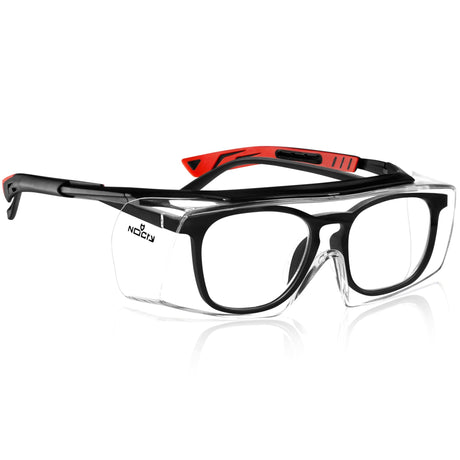
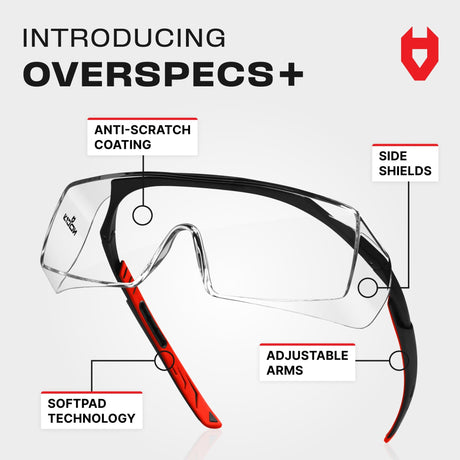
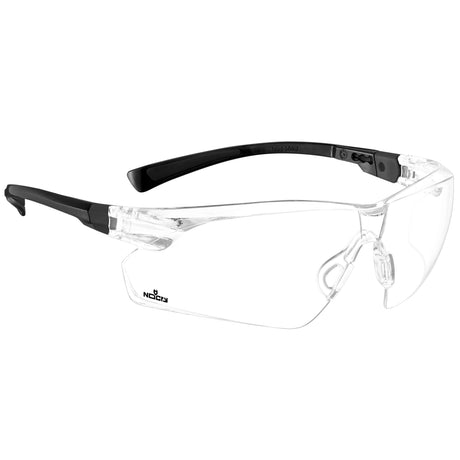
That’s where NoCry gives you options. If you don’t need the ballistic spec, we also offer plenty of ANSI-rated safety glasses that still give you dependable impact protection for general shooting, hunting, outdoor work, and everyday eye hazards.
The main thing is this: don’t buy based on the word “tactical” alone. It’s not a safety rating. Check the markings, match the glasses to how you use them, and choose the level of protection that fits the risk. ANSI Z87.1 is a strong baseline. MIL-PRF-32432A is the step up when you want more armor between your eyes and whatever’s coming at them.
Do You Need Tinted Lenses For Tactical or Shooting Glasses?
Tinted lenses can help, but only when the conditions call for them. If you’re shooting outdoors, hunting in open terrain, working in bright sun, or dealing with glare off targets, water, snow, concrete, or metal, tinted safety glasses can reduce brightness and make it easier to keep your eyes open and focused.
Clear lenses are still the better choice for indoor ranges, early morning or late evening hunts, shaded woods, garages, workshops, and low-light conditions. Tint reduces light; that’s the point. But when there isn’t much light to begin with, darker lenses can make it harder to see detail, movement, or hazards around you.
The bottom line is that the best lens color depends on the environment. Clear lenses are the all-around option for indoor use and lower light. Smoke or gray lenses are better for bright outdoor conditions. Amber or yellow lenses can help with contrast in cloudy or hazy weather, and mirrored lenses can reduce harsh glare in very bright settings.
Conclusion
The difference between ANSI Z87.1 and MIL-PRF-32432A comes down to the type of risk each one is built for. One is designed for everyday industrial impact, while the other is built for high-speed fragmentation where conditions are far more extreme and unpredictable. The best shooting glasses are the ones that protect you from the hazards you actually face.
FAQ
How Is MIL-PRF-32432A Different From ANSI Z87 in Practice?
ANSI Z87 is built around predictable industrial accidents. MIL-PRF-32432A is built around unpredictable, high-energy fragmentation where failure happens fast and violently.
Is MIL-PRF-32432A a rating system?
MIL-PRF-32432A is a pass/fail performance standard, not a tiered rating system. Eyewear either meets the ballistic fragmentation requirements, or it doesn’t; there are no official levels.
Does MIL-PRF-32432A automatically mean safer than ANSI Z87?
It depends on the hazard. MIL-PRF-32432A is for high-speed fragmentation, while ANSI Z87 is for everyday industrial impacts. “Better” only applies if that kind of extreme impact is actually part of the risk you’re facing.











1 comment
This is great information. TY!