
Contents
Key Takeaways
- ANSI/ISEA Z89.1-2026 keeps the existing Type I and Type II classifications and adds new Type I+ and Type II+ designations.
- The new “+” classifications include additional requirements for helmet retention and chin strap performance.
- Type I+ also adds multi-directional impact testing at the front, rear, and sides of the helmet.
- The update gives safety managers for specific hazards, including work at height.
- Existing compliant head protection does not automatically need to be replaced because a new edition has been published.
What Changed in ANSI/ISEA Z89.1-2026?
ANSI/ISEA Z89.1 is the primary US consensus standard for industrial head protection. The 2026 revision keeps the familiar Type I and Type II systems while introducing Type I+ and Type II+ as enhanced-performance designations.
Both “+” classifications include additional testing for helmet retention and chin strap performance. Type I+ also includes impact testing at the front, rear, and sides of the helmet, expanding beyond the crown-focused impact requirements of Type I.
The revised standard also adds guidance around reverse wearing and updates some markings used for environmental and visibility performance. For safety teams, the main change is a clearer way to compare head protection according to the hazards present on the job.
What Is the Difference Between Type I, Type I+, Type II, and Type II+?
The classifications cover different levels and types of protection.
- Type I: impact and penetration protection focused on the top of the head
- Type I+: Type I protection plus multi-directional impact testing, chin strap requirements, and enhanced retention testing
- Type II: top and lateral impact protection, including additional off-center penetration requirements
- Type II+: Type II protection plus chin strap requirements and enhanced retention testing
The “+” designation is especially useful when retention is part of the hazard assessment. It provides a standardized way to identify head protection that has been tested for how securely it remains positioned during movement or impact.
Type I+ and Type II remain different classifications. Type I+ adds expanded impact-force testing to a Type I helmet, while Type II includes lateral impact and penetration requirements of its own.

ANSI Z89.1 also uses Class designations, which have remained the same following the 2026 update. Classes are used alongside the Type designations, and refer to the level of electrical insulation a helmet provides:
- Class G: General
- Class E: Electrical
- Class C: Conductive
For example, a hard hat may be designated Type II, Class E. The Type describes the helmet's impact protection, while the Class identifies its electrical classification.
Why Does Helmet Retention Matter for Work at Height?
Workers at height may be exposed to more than falling objects. A slip, trip, swing fall, or fall-arrest event can also lead to contact with structural steel, scaffolding, ladders, equipment, or other nearby surfaces.
In these situations, keeping head protection correctly positioned is important. OSHA already recommends considering head protection with chin straps for tasks performed at height and Type II head protection with chin straps on construction sites where slip, trip, fall, and impact hazards are present.
The new Type I+ and Type II+ classifications give employers additional performance information when retention has been identified as a relevant hazard. This can be particularly useful for roofing, steel erection, scaffolding, tower work, elevated maintenance, aerial lift work, and similar activities.
Does OSHA Require Employers to Switch to Z89.1-2026 Helmets?
OSHA requires protective helmets where workers face hazards such as impacts, falling or flying objects, or electrical shock and burns. Since OSHA references different editions of the ANSI Z89.1 standard, the 2026 update does not require employers to replace existing compliant head protection, though this may be revised later.
For employers, the update is most relevant when reviewing PPE programs, replacing equipment, starting new projects, or reassessing jobs where retention and multi-directional impacts are concerns.

What Should Safety Managers Review?
A head protection review should begin with the hazards of the work rather than the appearance or general category of the hard hat. Safety managers should consider the direction and type of potential impacts, falling-object exposure, electrical hazards, work at height, and the likelihood that head protection could shift during normal work or an incident. The required Type and electrical Class can then be matched to those conditions.
Fit and compatibility also matter. Head protection may need to work alongside safety eyewear, hearing protection, face protection, respirators, and other equipment without affecting the fit or performance of any component.
Where chin straps or other retention systems are used, training and inspection procedures should cover correct adjustment, approved accessories, signs of damage, and manufacturer requirements. Worker fit trials can also help identify practical issues before a new model is introduced across a larger team.
How Does Head Protection Fit Into a Fall Protection Program?
Head protection addresses one part of the risk associated with working at height. Fall prevention and fall arrest measures still need to address the fall hazard itself through the appropriate combination of guardrails, anchorage, full-body harnesses, connecting devices, rescue planning, and training.
Secondary impacts are one reason head protection belongs in the same hazard assessment. A fall-arrest system may prevent a worker from reaching the ground, but the worker can still swing into a nearby structure or piece of equipment during the event. Looking at these systems together helps safety managers assess how the complete PPE setup performs both during normal work and during a fall.
What Other PPE Should Be Considered for Work at Height?
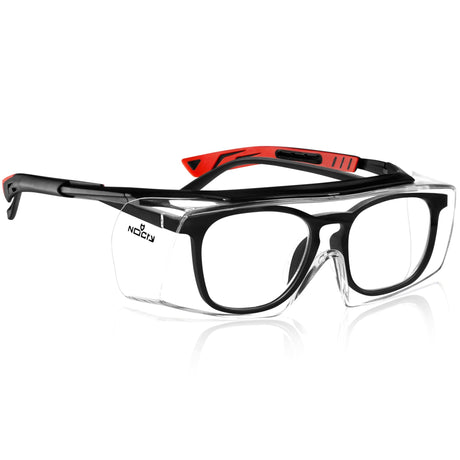
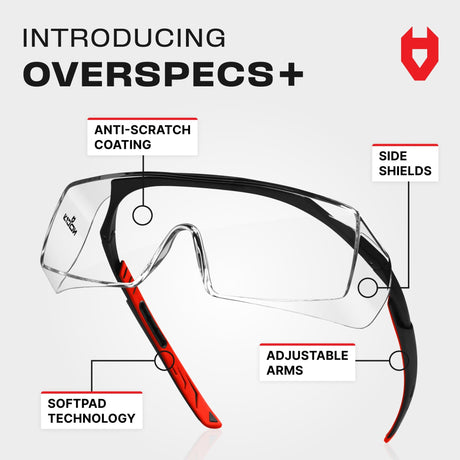
The rest of the PPE setup should match the task and the hazards in the work area. Safety eyewear may be needed for dust, flying particles, drilling, cutting, fastening, or overhead work, especially when workers are climbing or moving frequently.
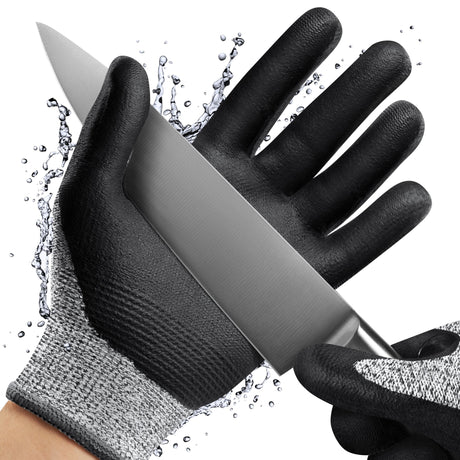
Gloves should protect against the materials being handled while still allowing good grip and dexterity. Footwear should provide suitable protection and traction for the working surface.
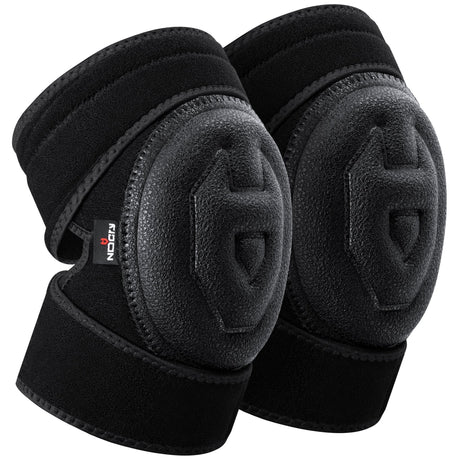
High-visibility clothing may be needed around vehicles or mobile equipment, while hearing and respiratory protection should be used when required by the tools or processes. Knee pads should be worn when work involves prolonged kneeling or working on hard, uneven, or abrasive surfaces.


Conclusion
ANSI/ISEA Z89.1-2026 gives safety managers clearer guidance on selecting industrial head protection, especially for helmet retention and multidirectional impacts.
Construction teams should review current head protection against actual job hazards, including falls, lateral impacts, falling objects, and demanding movement. The new Type I+ and Type II+ classifications offer more hazard-specific options, but the right choice depends on the jobsite, worker, and overall PPE system.
FAQ
Does Z89.1-2026 Apply Only to Construction?
No. ANSI/ISEA Z89.1 applies to industrial head protection across a range of workplaces. Construction is one important use case because of the combination of falling objects, impact, electrical, and work-at-height hazards.
Is Type II Better Than Type I+?
The classifications address different performance requirements and are not directly comparable in terms of being better or worse. The selection should be based on the hazards identified for the task; type II includes lateral impact and penetration requirements, while Type I+ adds expanded impact-force and retention testing to the Type I framework.
Should All Hard Hats Be Replaced Because of the 2026 Update?
The release of the new standard does not automatically make existing compliant head protection unsuitable. Employers should review current equipment based on condition, manufacturer guidance, applicable OSHA requirements, and the hazards identified in the workplace.