
Contents
Key Takeaways
- Workers are more likely to wear PPE consistently when it fits properly, feels comfortable, and does not interfere unnecessarily with the job.
- Asking employees why they avoid or remove PPE can reveal practical problems such as fogging, poor fit, heat, limited dexterity, or inconvenient access.
- Employees should understand the specific hazards PPE protects them from, rather than only being told that company policy requires it.
- Supervisors and managers should follow the same PPE rules as everyone else and apply them consistently.
- Involving workers in PPE selection can improve comfort, acceptance, and day-to-day use.
- PPE should be stored close to the point of use so workers can access it without interrupting their workflow.
- OSHA requires employers to assess workplace hazards, select suitable PPE, ensure proper fit, and train affected employees on its correct use.
Why Do Workers Refuse To Wear PPE?
When employees repeatedly avoid PPE, the most useful first step is to understand what is driving the behavior. Some workers may underestimate the risk, especially if they have performed the same task for years without an incident. Others may understand the hazard perfectly well but find that the equipment is uncomfortable, poorly fitted, difficult to use, or unsuitable for the task.
Common complaints include heat, fogging, restricted movement, reduced dexterity, pressure points, poor visibility, and equipment that slips or needs frequent adjustment. Workers may also skip PPE when it is stored too far from the work area or when supervisors do not follow the same rules.
Experience can also create a false sense of security. Repeated exposure to a hazard without an incident can make unsafe behavior feel normal over time. A worker who has spent years performing a task without an injury may gradually become less concerned about the potential consequences, even though the hazard itself has not changed.
Understanding the reason behind non-compliance makes it much easier to choose the right response. A worker struggling with fogging safety glasses needs a different solution from someone who knowingly ignores a clearly communicated requirement.
How Can You Encourage Workers To Wear PPE?
Improving PPE use usually depends on several factors working together. Equipment quality, comfort, training, leadership, accessibility, and enforcement all influence whether PPE becomes part of the normal working routine.
1. Ask Workers Why They Are Not Wearing It
A direct conversation can reveal problems that are easy to overlook from a purchasing or management perspective. Workers who wear PPE throughout a full shift often notice issues that are not obvious during a short product trial, including pressure points, poor ventilation, slipping straps, limited visibility, or interference with tools and machinery.
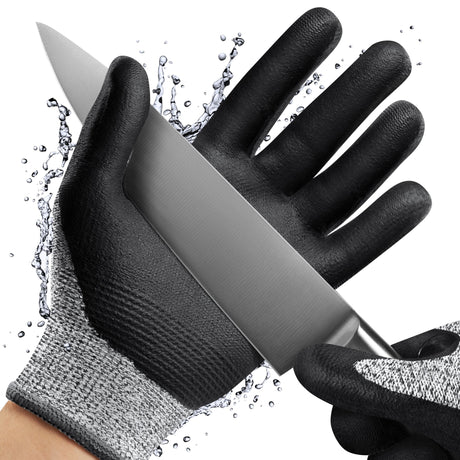
For example, a worker may repeatedly remove safety glasses because they fog during a particular task. Someone else may avoid certain gloves because they make it difficult to handle small parts safely.
Employee feedback should not determine whether required PPE is worn, but it can help identify avoidable barriers. When a complaint is reasonable and the equipment can be improved without reducing protection, addressing the issue can make compliance much easier.
2. Provide PPE That Fits Properly
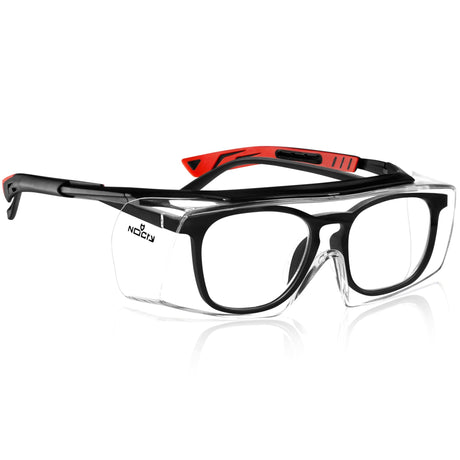
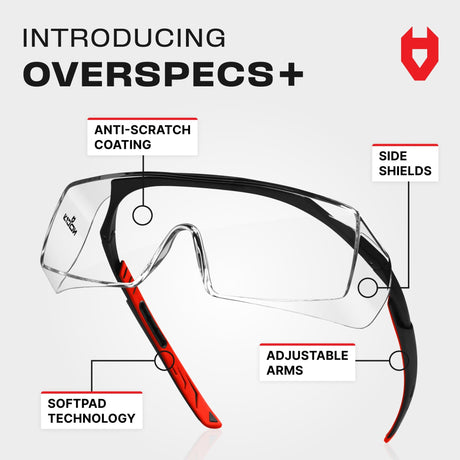
Poorly fitting PPE can be uncomfortable, distracting, and less effective. Safety glasses that slide down, gloves that are too large, hard hats that create pressure points, or hearing protection that does not sit correctly are more likely to be adjusted constantly or removed altogether.
Employers should consider size, adjustability, weight, breathability, visibility, dexterity, and compatibility with other equipment when selecting PPE. The equipment should also remain secure during normal movement and provide the required level of protection throughout the task.
OSHA requires employers in the general industry to select PPE that properly fits affected employees. Construction employers are also required to provide PPE that properly fits each worker under 29 CFR 1926.95(c). OSHA has specifically noted that poor fit can reduce protection, introduce additional hazards, and discourage regular use.
3. Involve Employees In PPE Selection
When several products provide the same required level of protection, allowing employees to test suitable options can improve acceptance and day-to-day use. Workers can give useful feedback about comfort, visibility, grip, movement, compatibility, and how well the equipment performs during real tasks.
A small trial with several employees can help identify which products work best before placing a larger order. Questions can focus on practical details: Does the equipment stay in place? Does it interfere with tools? Can it be worn comfortably for several hours? Does it work well with other required PPE?
Giving workers a degree of input can also improve trust in the selection process because the final choice reflects real working conditions rather than relying solely on specifications.
The employer should still control the safety requirements and ensure every option meets the necessary standards.
4. Keep PPE Close To The Point Of Use
Workers are more likely to use PPE consistently when it is easy to access. If someone has to walk across the facility every time they need a new pair of gloves or safety glasses, the extra effort can encourage shortcuts, particularly during short or repetitive tasks.
Reviewing how work is organized and identifying unnecessary friction in the process is a good place to start. PPE can often be stored near machinery, entrances, workstations, or task-specific areas so employees can access it without disrupting their workflow. Clearly marked PPE stations can also help workers find the right equipment quickly.
Accessibility is especially important for disposable or frequently replaced items. Workers should be able to replace damaged, contaminated, or worn-out PPE without searching for supplies or delaying the job.
5. Explain The Actual Risk Behind The Requirement
Employees are more likely to take PPE seriously when they understand what the equipment is protecting them from. General reminders about following policy may have limited impact if workers do not understand the specific injury or exposure that could occur.
Training should connect PPE requirements to the actual task. For example, workers using grinding equipment should understand the risk of high-speed particles striking the face or eyes. Employees exposed to high noise levels should understand that hearing damage can develop gradually and may become permanent before the problem is obvious.
OSHA requires PPE training to cover when PPE is necessary, what equipment is required, how to put it on and adjust it, its limitations, and its proper care and useful life. Employees must also demonstrate that they understand the training and can use the equipment correctly.
Task-specific explanations help turn PPE requirements into something workers can relate to their daily responsibilities rather than another general workplace rule.
6. Make PPE Training Practical
PPE training should give employees enough practical knowledge to use the equipment correctly during normal work. Demonstrations are often more useful than lengthy presentations, especially when fit and adjustment directly impact protection.
Workers should know how to put on and adjust the equipment, check it for damage, recognize signs of wear, clean or store it correctly, and understand when replacement is necessary. They should also understand how different pieces of PPE work together, particularly when several items are worn at the same time.
Training should also be repeated when necessary. OSHA requires retraining when workplace changes render prior training obsolete or when an employee’s actions indicate they have not retained the required knowledge or skills.

7. Make Sure Supervisors Follow The Same Rules
Supervisors have a strong influence on how seriously workers treat PPE requirements. When managers wear the required equipment consistently, they reinforce the expectation through their own behavior. When they ignore the rules, employees are more likely to view those rules as optional.
Good leadership and management support are important for following safety rules. It is also harder to enforce safety rules when supervisors do not follow them themselves.
Managers should wear the required PPE whenever they enter controlled areas, even if they are only there briefly. They should also correct violations consistently and avoid making informal exceptions based on job title, experience, or seniority.
Visible leadership helps establish PPE use as part of normal professional conduct rather than something employees do only when a safety manager is nearby.
What Does OSHA Require Employers To Do About PPE?
For the general industry, OSHA requires employers to assess the workplace for hazards that may require personal protective equipment. Where PPE is necessary, employers must select appropriate equipment, communicate the selection to affected employees, ensure the PPE properly fits, and require employees to use it.
Employers are also responsible for training workers on when PPE is necessary, which equipment is required, how to wear and adjust it, its limitations, and how to care for and dispose of it correctly. Most required PPE must be provided at no cost to employees, subject to specific exceptions under the standard.
Construction employers have similar responsibilities, including the requirement to select PPE that properly fits each affected employee. PPE should also be considered within the broader hierarchy of controls. Employers should first look for ways to eliminate hazards, reduce exposure, or control risks through engineering and administrative measures. PPE provides an additional layer of protection where hazards remain.
What Should You Do If An Employee Still Refuses To Wear PPE?
If an employee continues to avoid required PPE, begin by confirming that there is no unresolved problem with fit, comfort, equipment condition, task compatibility, medical needs, or accessibility. Concerns that could affect safety or the employee’s ability to perform the task should be investigated properly.
Once those issues have been addressed, expectations should be clear. Employees should understand what PPE is required, where it must be worn, why it is necessary, and the consequences of ignoring the requirement. Training and corrective conversations should be documented in accordance with company procedures.
It is best to combine a clear safety program with consistent enforcement when PPE problems continue. That consistency matters across teams and seniority levels. Allowing one employee to ignore a requirement while correcting another can quickly undermine the credibility of the entire policy.
Disciplinary measures should follow the employer’s established procedures and any applicable legal or HR requirements. The goal is to maintain a clear and predictable standard that protects everyone working in the area.
Conclusion
Consistent PPE use requires more than a written policy. Workers need proper, well-fitting equipment, clear training, and an understanding of the hazards. Employee feedback can help identify barriers, while supervisors should model and consistently enforce the same standards. Addressing these factors makes PPE use a normal part of the work routine.
FAQ
Why do employees refuse to wear PPE?
Employees may avoid PPE because of discomfort, poor fit, heat, fogging, restricted movement, reduced dexterity, inconvenient access, inadequate training, inconsistent supervision, or a belief that the risk is low. Speaking directly with workers can help identify which of these factors is causing the problem.
Can an employer require employees to wear PPE?
Yes. Where PPE is required to protect workers from identified workplace hazards, OSHA standards require employers to select appropriate equipment and ensure affected employees use it. The exact requirements depend on the industry and the hazard involved.
What should you do when an employee keeps taking PPE off?
Start by checking whether the equipment is uncomfortable, damaged, poorly fitted, difficult to use, or unsuitable for the task. Address legitimate concerns, confirm that the employee understands the requirement, provide additional training where necessary, and apply the company’s PPE policy consistently if non-compliance continues.